
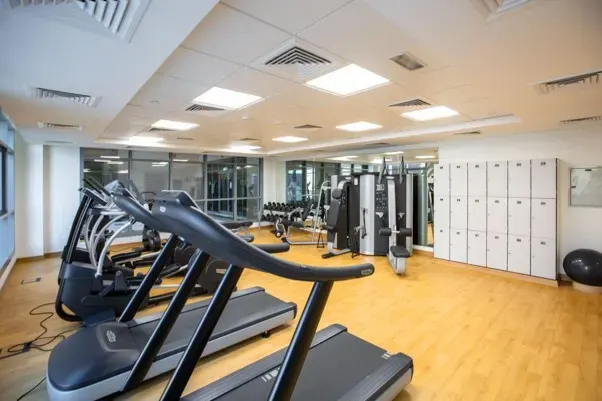
Hotel gyms are often treated as an amenity that simply needs to exist. But when fitness and wellness become part of the guest experience, the gym can be designed with the same thought and intention as the rest of the property.
Why does a hospitality gym feel like a throwaway?
Hotel gyms have long been a room that just needs to exist, not a space to be enjoyed—an afterthought. Often, they sit in basements, by pools, or in strange corners of a property, with a handful of machines to meet the basic expectation of a gym. But hospitality is about creating an experience. So why not design the fitness space with the same intention? As fitness and wellness become a bigger part of how people travel, hotel gyms have the chance to be more than just an amenity. They can be memorable spaces that contribute to the identity of the property and guest experience.
A Hotel Gym Can Be Part of the Guest Experience
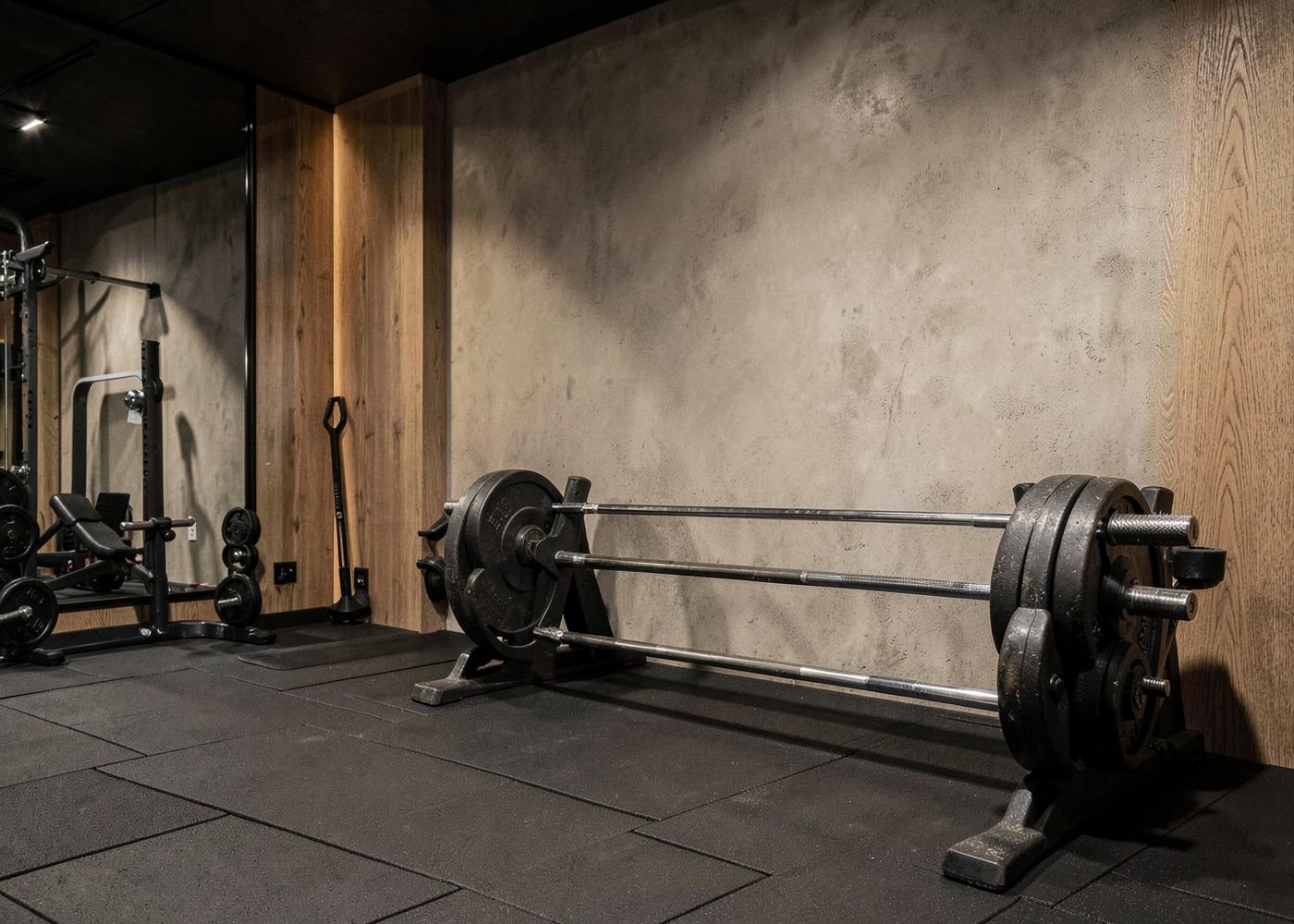
In hospitality design, we tend to think of the lobby, rooms, restaurants, lounges and outdoor spaces. The fitness space deserves the same care. A well-designed hospitality gym should feel part of the property around it. Its materials, colours, lighting and general design language can complement the hotel's identity and still create a space purpose-built for movement and training. It's not just about making the gym look good. It's to make the space feel deliberate.
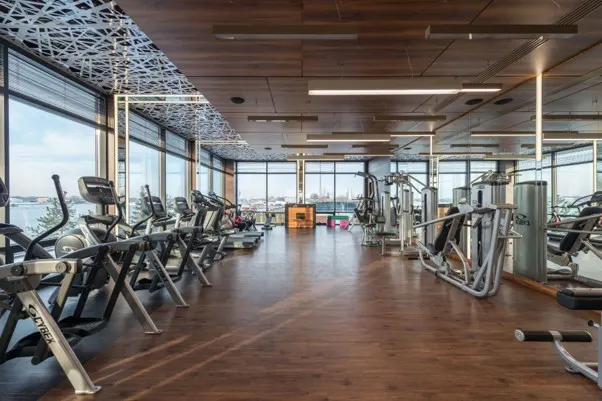
What If the Gym Had the Best View?
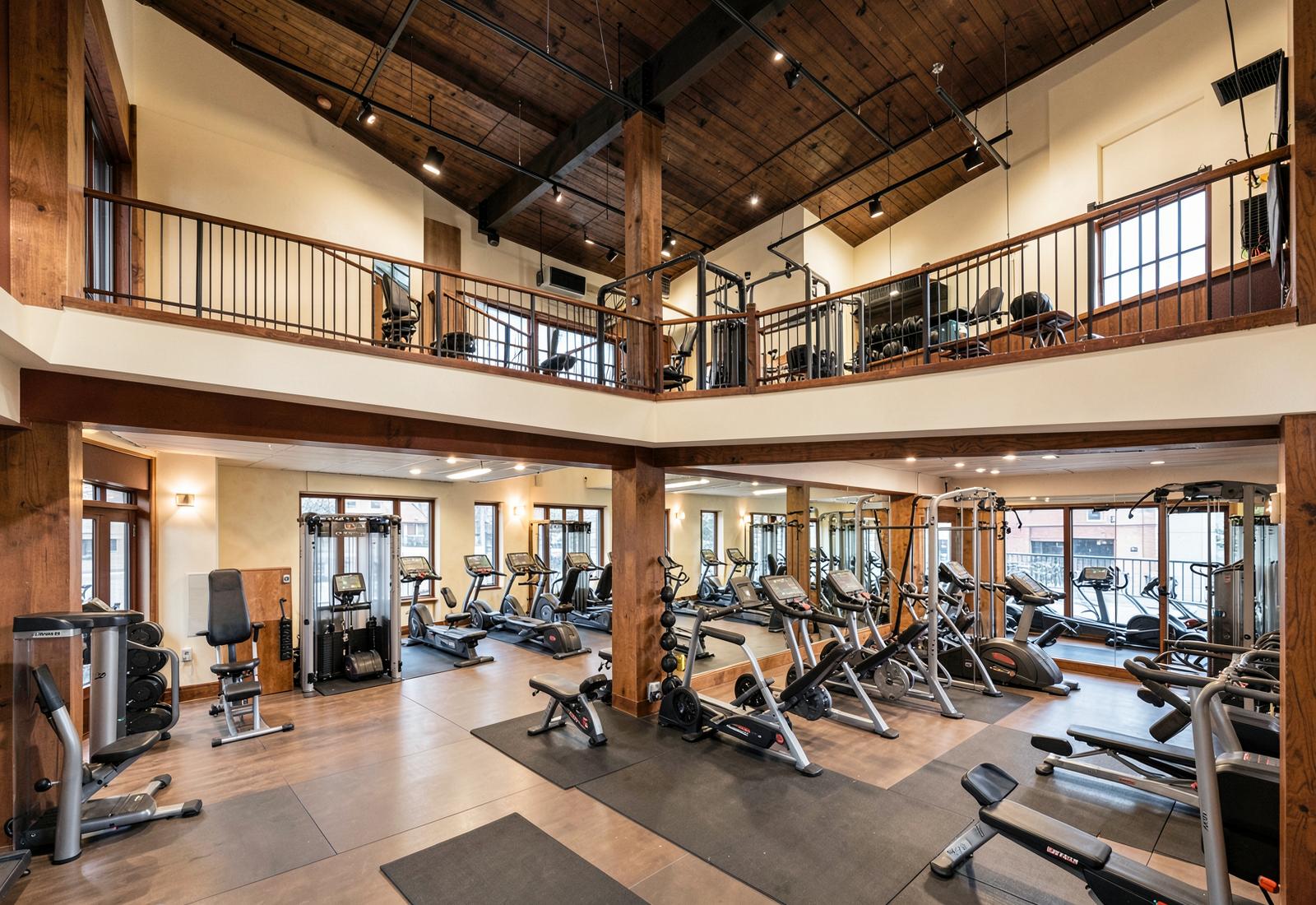
Often, the location itself is one of the biggest missed opportunities in hotel gym design. Why should the best views always be for the restaurant or lounge? A gym with a view of a garden, cityscape, pool or natural landscape can totally change the experience of working out. Natural views, good lighting and a sense of openness can all help create a less confined fitness space that feels more connected to the property. This is where good gym interior design becomes more than just aesthetics. It takes into account how users interact with the space when exercising, resting or moving through it.
Place Identity as an Indicator of Fitness
Hospitality also allows us to introduce local culture to fitness. India has an extensive heritage of physical training which includes wrestling, martial arts, traditional exercises and practices such as mudgars. These ideas can lead to fitness experiences that feel grounded in their place. For instance, a hotel in Amritsar can incorporate aspects of Punjab's traditional wrestling culture into its fitness offering. It doesn't have to be too literal or too thematic. This connection could be the training experience, the equipment, the materials, the graphics or even the way the space is designed. It can create a fitness environment that feels like part of the destination, not a generic hotel gym.
Good Gym Design Isn't About Packing in More Equipment
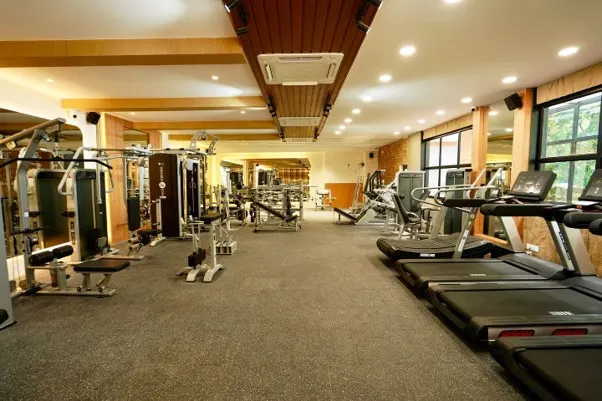
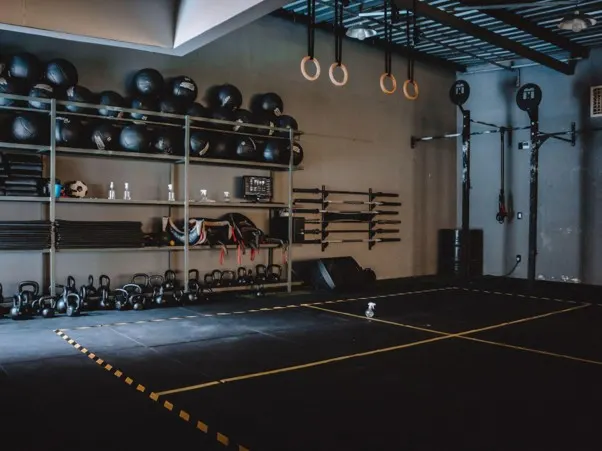
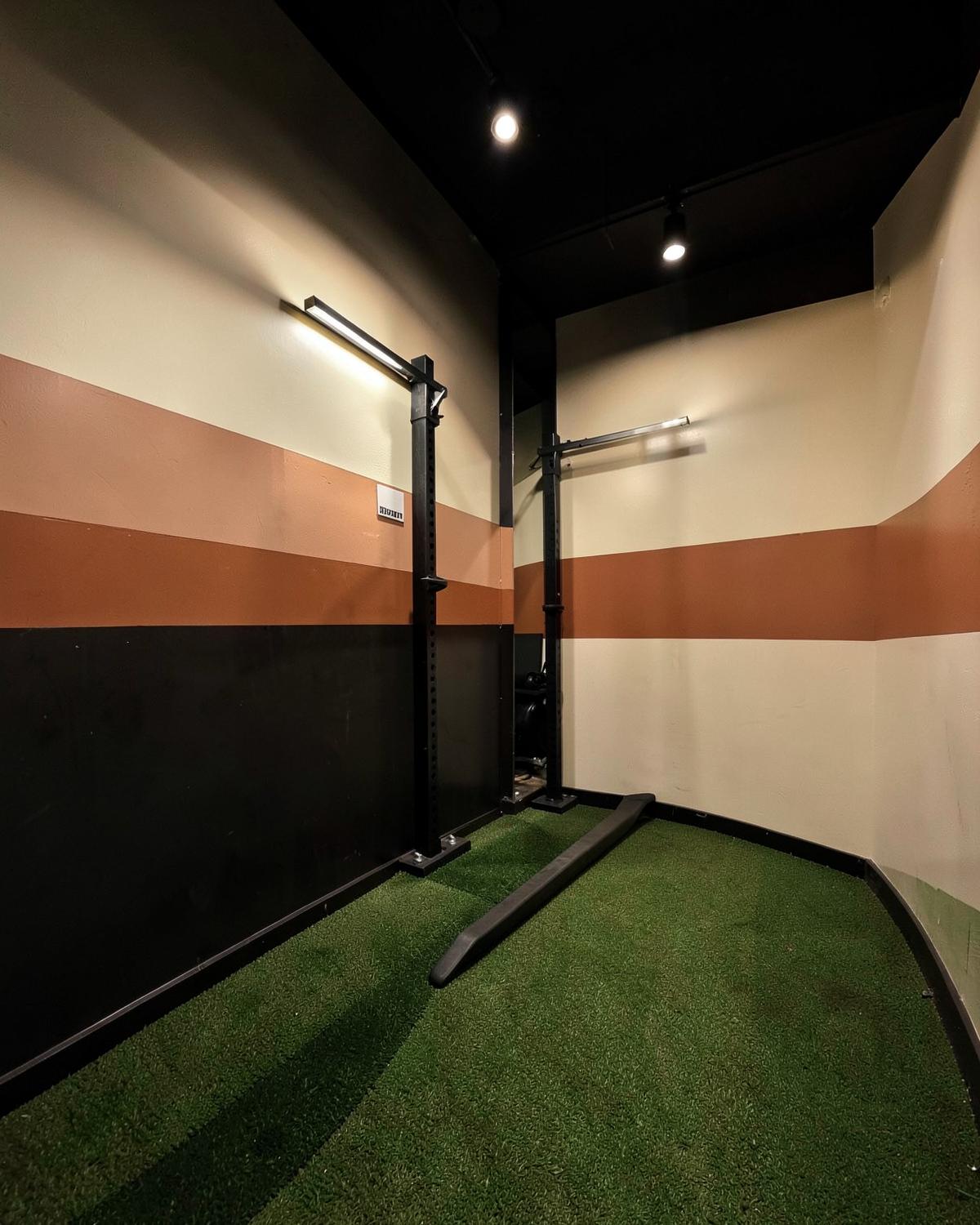
It's often thought that all a better gym needs is more equipment. I don't think this is the place to start. The first question should be: How do people actually use this space? Placement of equipment, circulation, training zones, spacing and accessibility all play a role in how comfortable and functional a gym feels. A well-planned fitness space allows people enough room to move, while creating a clear relationship between the various activities. That's why gym space planning must come before esthetic decisions. A gym can look great, but if you can't move through it comfortably, it's not going to work.
Lighting Can Transform the Whole Experience
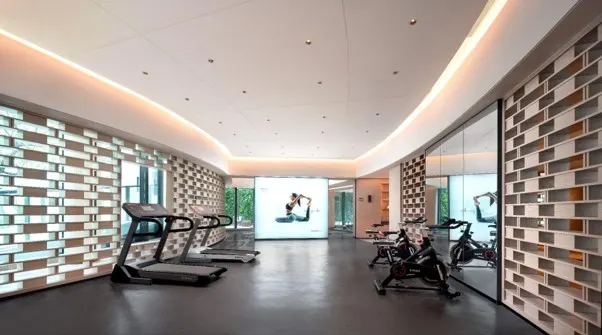
Lighting is another often overlooked element of fitness spaces. Lighting can be used to define different areas, set a mood and make the gym feel more connected to the rest of the house. In the hospitality setting, even strategies such as circadian lighting can be seen as an opportunity to create a more considered wellness experience. The idea is simple: lighting should do more than help people see. It should add to the feel of the place.
The gym doesn't have to be just a gym
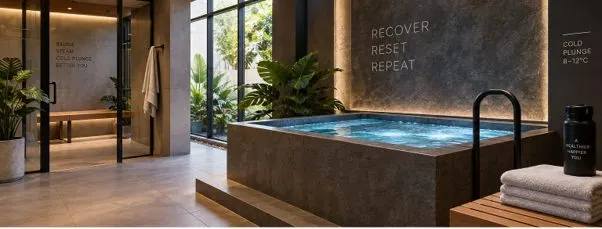
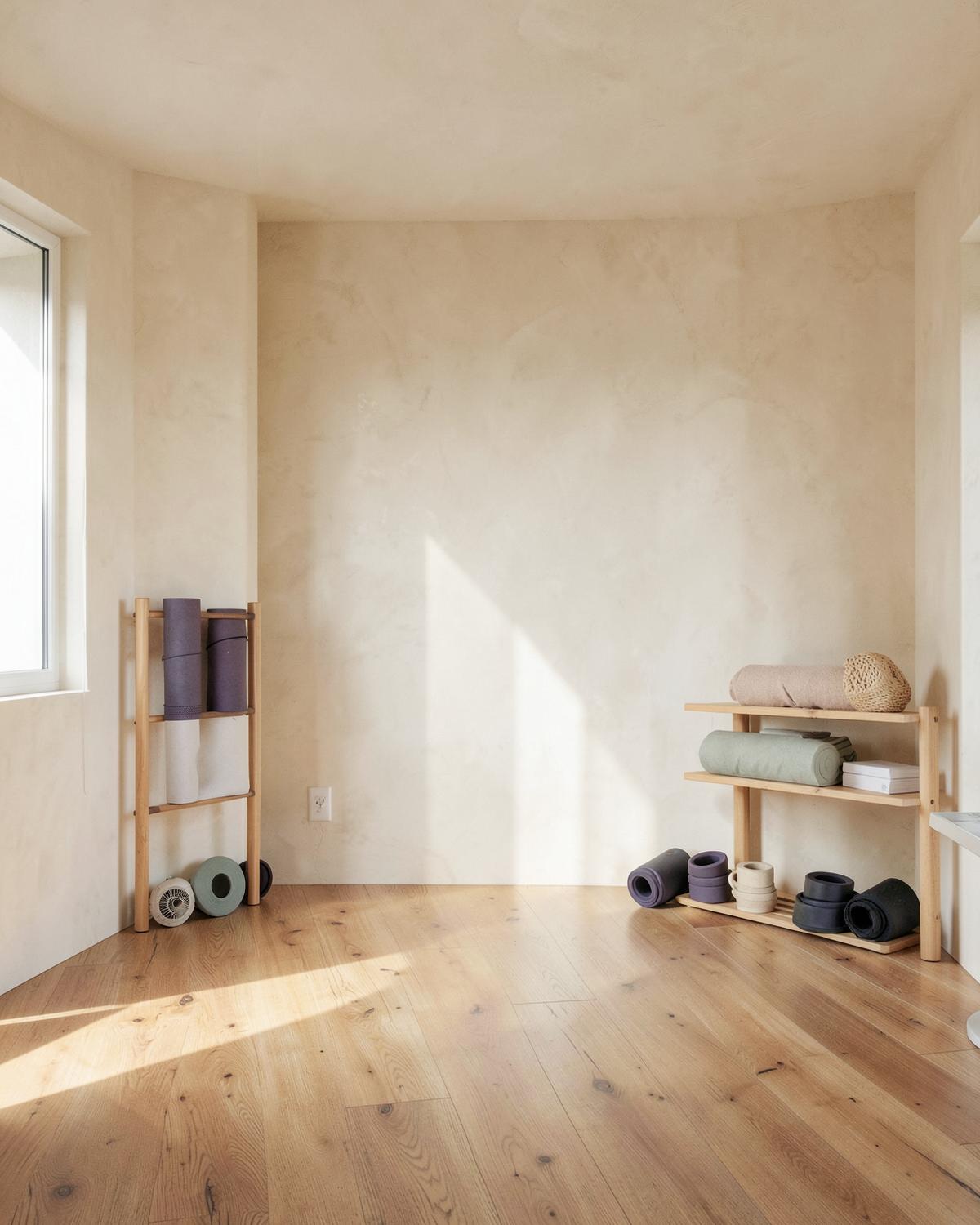
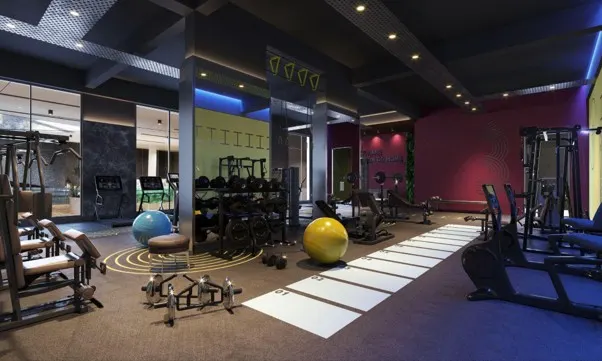
Hospitality spaces can serve many purposes too. Depending on the property and its guests, a fitness and wellness area could include spaces for relaxation, work, informal meetings, coffee or wellness activities. This gives the space more flexibility and allows the property to think outside the box of what a hotel gym is. Instead of asking: “Where do we put the gym?” we can ask, “What can this space be for our guests?” That shift in thinking can open up whole new possibilities.
From Amenity to an Experience
The future of hospitality fitness is not about building bigger gyms or putting more machines in them. It's about creating better experiences. A well-designed hotel gym can be a reflection of the property's identity, a tie to its location, an opportunity to use its best views, a support to various types of users and a true part of the guest journey. Travel is becoming increasingly linked to fitness and wellness. So maybe it's time to stop treating the hospitality gym as an afterthought.
The gym should not be an add-on. It should be part of the experience
by sagrika saraf